Confidential delivery in Romania. Cash on delivery.8:00–20:00.
EST. MMXXVI
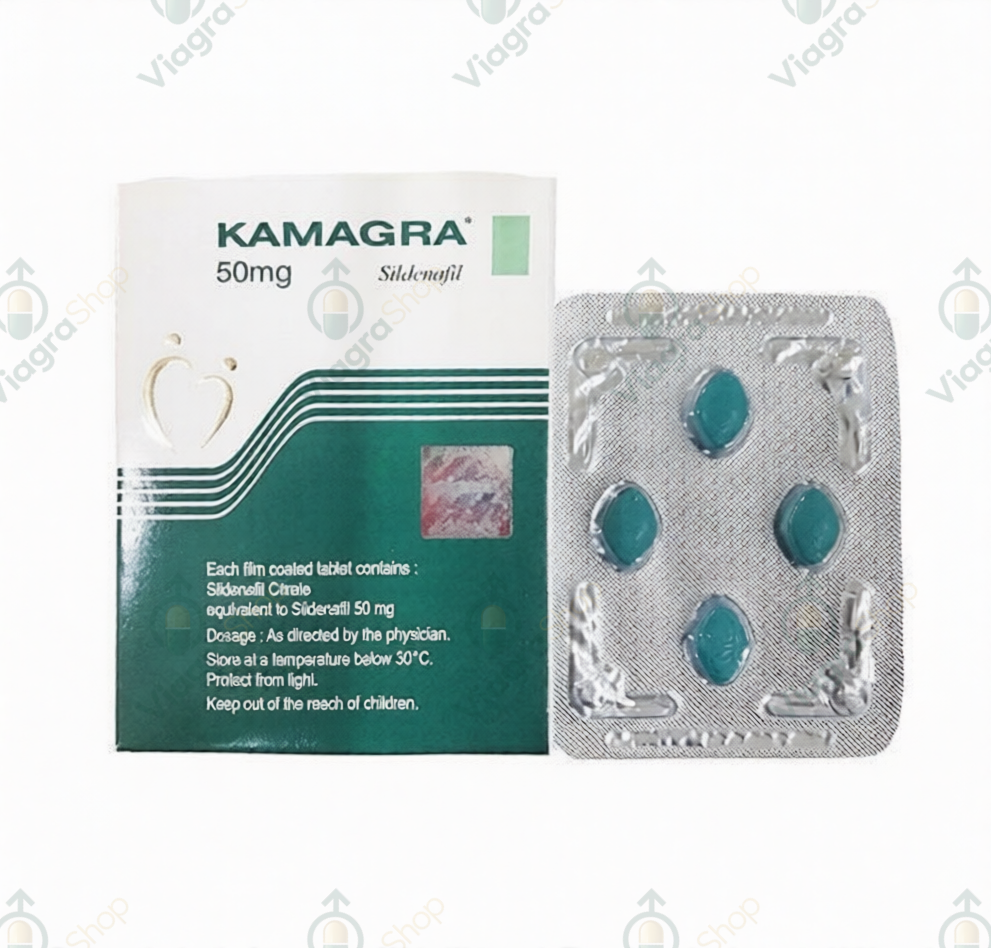
300.00 lei
Kamagra (sildenafil) belongs to the group of PDE5 inhibitors, which help relax blood vessels in the penis and maintain an erection during sexual stimulation. It is a medicine for the treatment of erectile dysfunction in men.
When using it, it is important to take into account contraindications, possible side effects, and effects on the cardiovascular system in order to ensure the safety and effectiveness of the treatment.
Kamagra is a medicine indicated for the treatment of erectile dysfunction. The main active substance is sildenafil. The medicine dilates blood vessels and improves blood flow to the penis, which allows achieving and maintaining an erection.
Kamagra 50 mg or Kamagra 100 mg contains the active substance sildenafil in the corresponding doses. It belongs to a group of medicines called phosphodiesterase type 5 (PDE5) inhibitors.
The medicine works by helping to relax the blood vessels in the penis, which allows blood to flow more easily into it during sexual stimulation in men.
Thus, the main effect of Kamagra is the treatment of adult men with erectile dysfunction. This is a condition in which a man cannot achieve or maintain an erection sufficient for sexual intercourse.
Do not use Kamagra or sildenafil if:
Before use, consult a doctor if:
In addition:
Always use Kamagra strictly according to the instructions of your doctor or pharmacist. The recommended starting dose is one 50 mg tablet.
Do not take Kamagra or sildenafil more than once a day.
The medicine should be taken about 1 hour before planned sexual activity, with a glass of water.
The effect occurs only in the presence of sexual stimulation. The onset time varies individually, usually between 30 and 60 minutes.
If the effect is too strong or too weak, or if it does not help achieve or maintain an erection, consult your doctor for dose adjustment.
Increasing the dose on your own may lead to side effects.
Like all medicines, Kamagra can cause side effects, although not everyone gets them. These are usually mild and temporary.
Serious side effects — stop taking the medicine and seek immediate medical help if:
Other side effects:
What Vizarsin is and what it…
Super Viagra tablets with dual action…
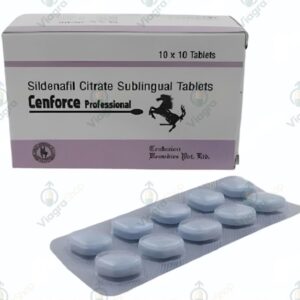
The advantage of Viagra Professional over…
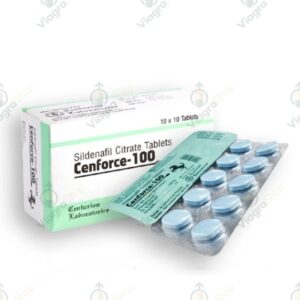
Active substance – sildenafil, 100 mg.…